Measure the Invisible Risk in Your Home
Radon Testing in Middletown and throughout the Hudson Valley for detecting odorless gas that poses long-term health hazards
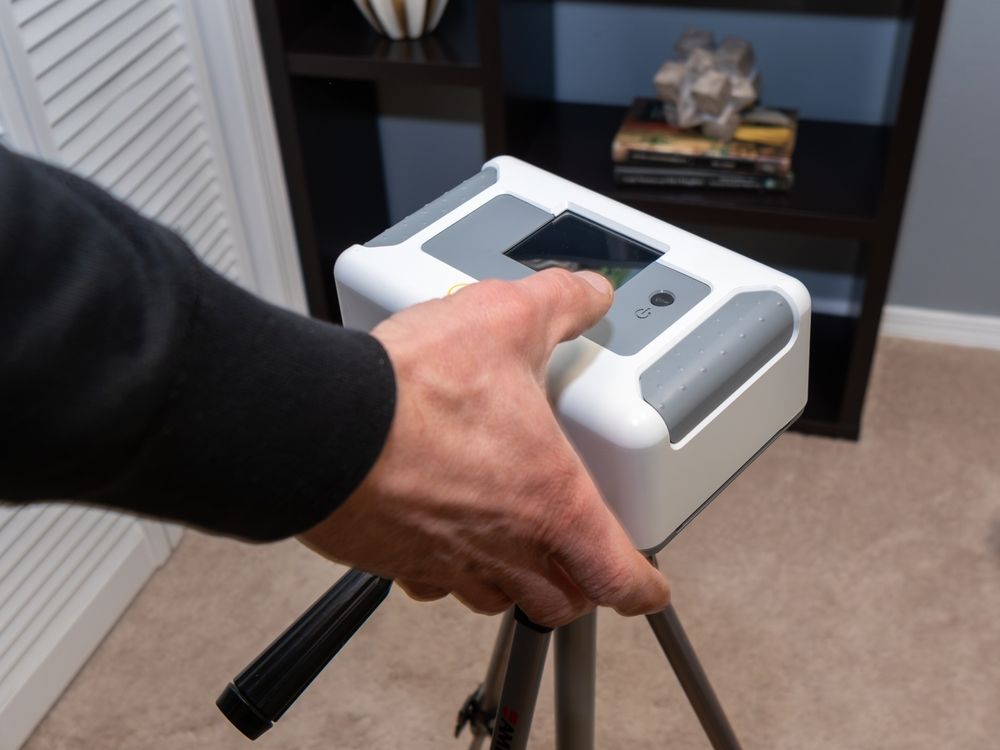
A-Tech Inspection Services measures radon gas levels in your home in Middletown and across the Hudson Valley using professional-grade continuous monitoring equipment. You cannot see, smell, or taste radon, but prolonged exposure to elevated concentrations increases lung cancer risk. Testing provides accurate readings over a defined period, typically forty-eight to seventy-two hours, to capture fluctuations caused by weather, ventilation, and soil conditions.
Radon enters through foundation cracks, sump pits, crawl space vents, and gaps around utility penetrations. New York has documented radon prevalence across multiple counties, making testing a routine part of real estate transactions and periodic home maintenance. You see results measured in picocuries per liter, with readings above four picocuries requiring mitigation to reduce exposure.
Contact A-Tech Inspection Services to schedule your radon test and receive results within one business day after equipment retrieval.
How Testing Equipment Captures Accurate Readings
ou keep windows and exterior doors closed during the testing period to reflect typical living conditions. The monitor is placed in the lowest occupied level of the home, away from drafts, exterior walls, and high-humidity areas. Hourly readings are recorded continuously, and the device remains undisturbed until the testing period ends.
After retrieval, A-Tech Inspection Services downloads the data and calculates the average radon concentration over the test duration. You receive a report that shows hour-by-hour readings and indicates whether levels exceed the Environmental Protection Agency action threshold. If mitigation is recommended, the report supports contractor bids and system design. Follow-up testing after mitigation installation confirms that radon levels dropped to acceptable ranges.
Testing reflects conditions during the monitored period only. Radon levels fluctuate with soil moisture, barometric pressure, and ventilation patterns. A single test provides a snapshot but does not predict future levels or guarantee that untested areas remain safe.
Answers to Radon Testing Questions
Homeowners and buyers often ask how radon enters homes, what safe levels are, and what mitigation involves.
What is radon and why does it matter?
Radon is a radioactive gas produced by uranium decay in soil and rock, and it seeps into homes through foundation openings, posing a long-term lung cancer risk when concentrations remain elevated.
How is radon testing performed?
A continuous radon monitor is placed in the lowest occupied level of your home in Middletown and across the Hudson Valley for a minimum of forty-eight hours, recording hourly concentration levels without requiring occupant interaction.
When should you test for radon?
You should test during real estate transactions, after major foundation repairs, or every two years in occupied homes to monitor for changes in soil conditions and building integrity.
Why do radon levels vary over time?
Levels fluctuate with soil moisture, outdoor temperature, barometric pressure, and indoor ventilation, which is why testing over multiple days provides a more reliable average than a single-hour reading.
What happens if radon levels exceed safe limits?
Mitigation systems use sub-slab depressurization fans and vent pipes to draw radon from beneath the foundation and exhaust it above the roofline, reducing indoor concentrations to below four picocuries per liter.
A-Tech Inspection Services delivers reliable radon testing in Middletown and throughout the Hudson Valley. Schedule your test to understand your exposure risk and take action if mitigation becomes necessary.