
Identify Chemicals You're Breathing Every Day
VOC Testing in Middletown and throughout the Hudson Valley for homes with lingering odors after renovation or when occupants report headaches and respiratory irritation
A-Tech Inspection Services offers VOC Testing to homeowners who notice persistent chemical smells or experience unexplained symptoms that worsen indoors. Volatile organic compounds are gases released from paints, adhesives, flooring, cabinetry, and cleaning products, and they accumulate in enclosed spaces where ventilation is limited. This testing measures the concentration of specific compounds in your indoor air and identifies which materials or products are the primary sources.
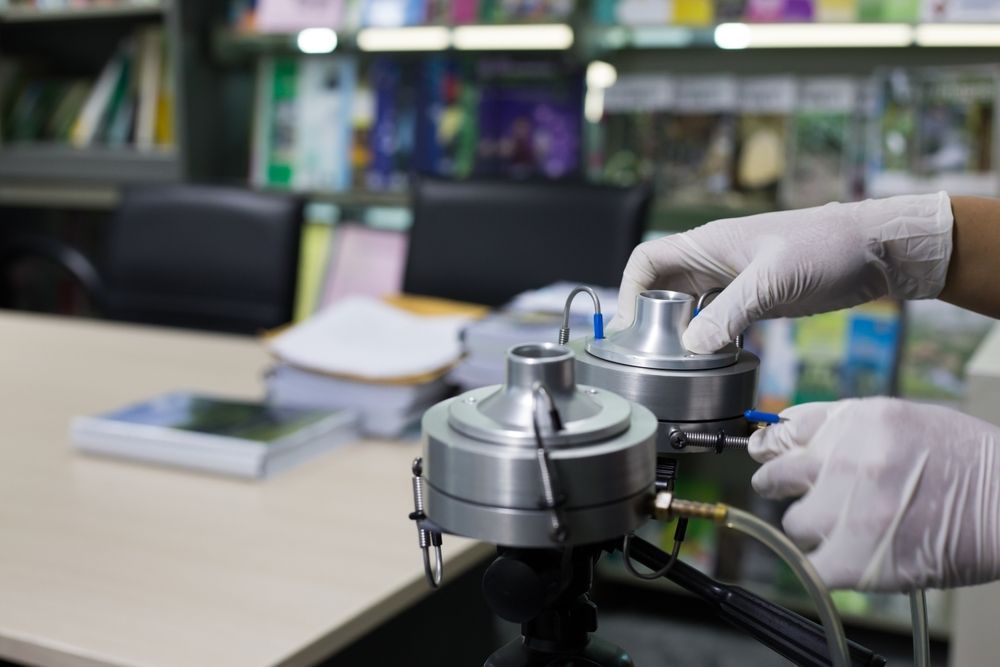
Homes in Middletown and throughout the Hudson Valley that have recently undergone kitchen or bathroom remodels, installed new carpeting, or refinished floors often show elevated VOC levels for weeks or months afterward. Older homes with poor air exchange can trap these compounds even longer. The test uses calibrated air sampling equipment that collects samples over a set period, capturing a realistic snapshot of what you're breathing during normal occupancy. Lab analysis breaks down the results by compound type, including formaldehyde, benzene, toluene, and xylene.
If you've noticed strong odors that won't fade or family members are experiencing headaches and throat irritation indoors, schedule VOC testing to measure what's actually present in your air.
How Testing Works and What Results Reveal
You'll see exactly which volatile organic compounds are present and at what concentrations, measured in parts per billion or micrograms per cubic meter. The report compares your levels to established health guidelines and flags compounds that exceed safe thresholds for long-term exposure. A-Tech Inspection Services explains which materials are likely contributors and what steps can reduce indoor concentrations effectively.
After testing, you'll know whether increasing ventilation, removing specific products, or allowing more off-gassing time will bring levels down to safer ranges. If formaldehyde is high, you may need to replace composite wood furniture or seal subfloors. If solvents like toluene dominate, stored paints or cleaning supplies may be the source. The clarity this provides means you're no longer guessing why the air feels wrong.
Sampling typically runs for 24 to 72 hours depending on the protocol, using passive or active collectors placed in the rooms of greatest concern. Results return within one to two weeks. The service does not include remediation or HVAC modifications, but it does give contractors or environmental consultants the data needed to design targeted solutions.
Common Questions About VOC Testing
Homeowners often want to understand what the numbers mean and whether testing is worth the investment, especially if they're unsure whether odors indicate a real health risk.
What types of VOCs are typically found in homes?
Common compounds include formaldehyde from pressed wood and insulation, benzene from tobacco smoke and stored fuels, and acetone or toluene from paints, adhesives, and personal care products.
How soon after a renovation should you test for VOCs?
Wait at least two weeks after completion so finishes and adhesives have time to off-gas, but test within three months if odors remain strong or symptoms develop.
Why do some rooms test higher than others?
Rooms with new finishes, poor ventilation, or direct sunlight often show higher concentrations because heat and lack of air movement accelerate the release of VOCs from materials.
Can opening windows reduce VOC levels enough to skip testing?
Ventilation helps, but it won't tell you which specific compounds are present or whether concentrations still exceed safe limits once windows are closed again during winter in Middletown and across the Hudson Valley.
What happens if test results show dangerous levels of formaldehyde?
You'll need to identify and remove or seal the source, which is often particleboard furniture, laminate flooring, or certain insulation types, and retest after changes are made.
A-Tech Inspection Services provides the measurable data you need to address indoor air quality concerns with confidence. If chemical odors persist or your family's health seems affected by time spent indoors, reach out to schedule air sampling and get answers that lead to real improvements.